Heat equation
How differences in temperature spread and smooth out.
Library note. Check the assumptions and further reading before applying a formula.
What Is This?
Let u be temperature and alpha a positive thermal diffusivity. The heat equation says that the rate of temperature change depends on the spatial curvature of the temperature field. A point cooler than its neighbours tends to warm; a hotter point tends to cool. To solve the equation, specify the starting temperatures and what happens at the boundaries.
Try an example
Heat one end of a metal rod and insulate the sides. The sharp initial temperature difference spreads along the rod. With insulated ends too, the temperature eventually approaches a uniform value in the idealised model.
Where it needs care
The simple form assumes constant diffusivity and no internal heat source. Real materials can need variable coefficients, source terms or models that include fluid motion.
Historical Context
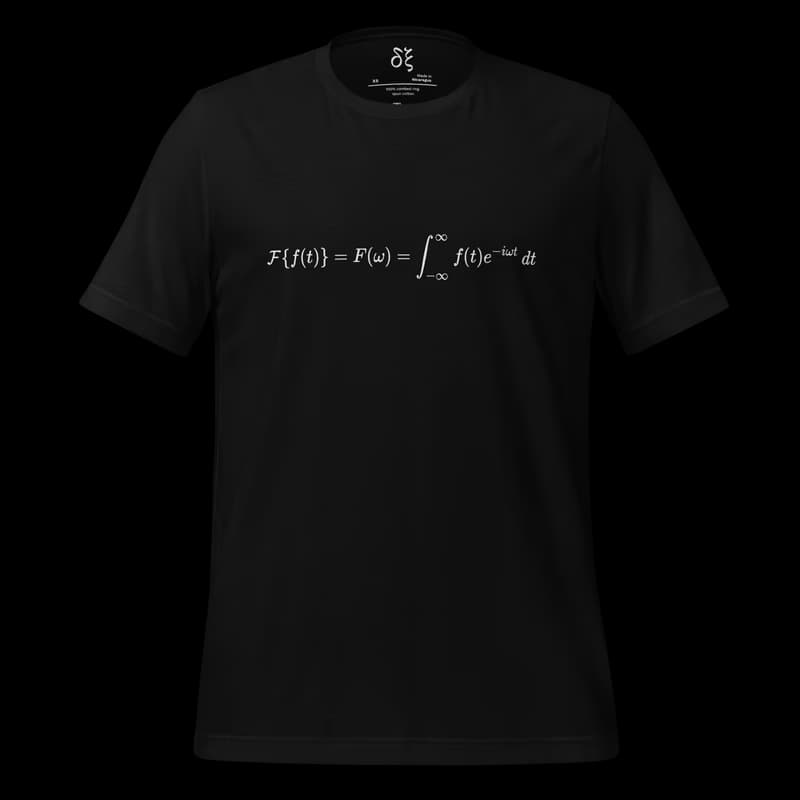
Joseph Fourier developed heat-flow theory and published "The Analytical Theory of Heat" in 1822. His work also shaped Fourier analysis.
Real-World Applications
- Estimate temperature changes in solids.
- Model diffusion and smooth signals or images.